

Teen Strength Training: Safe Ways to Start
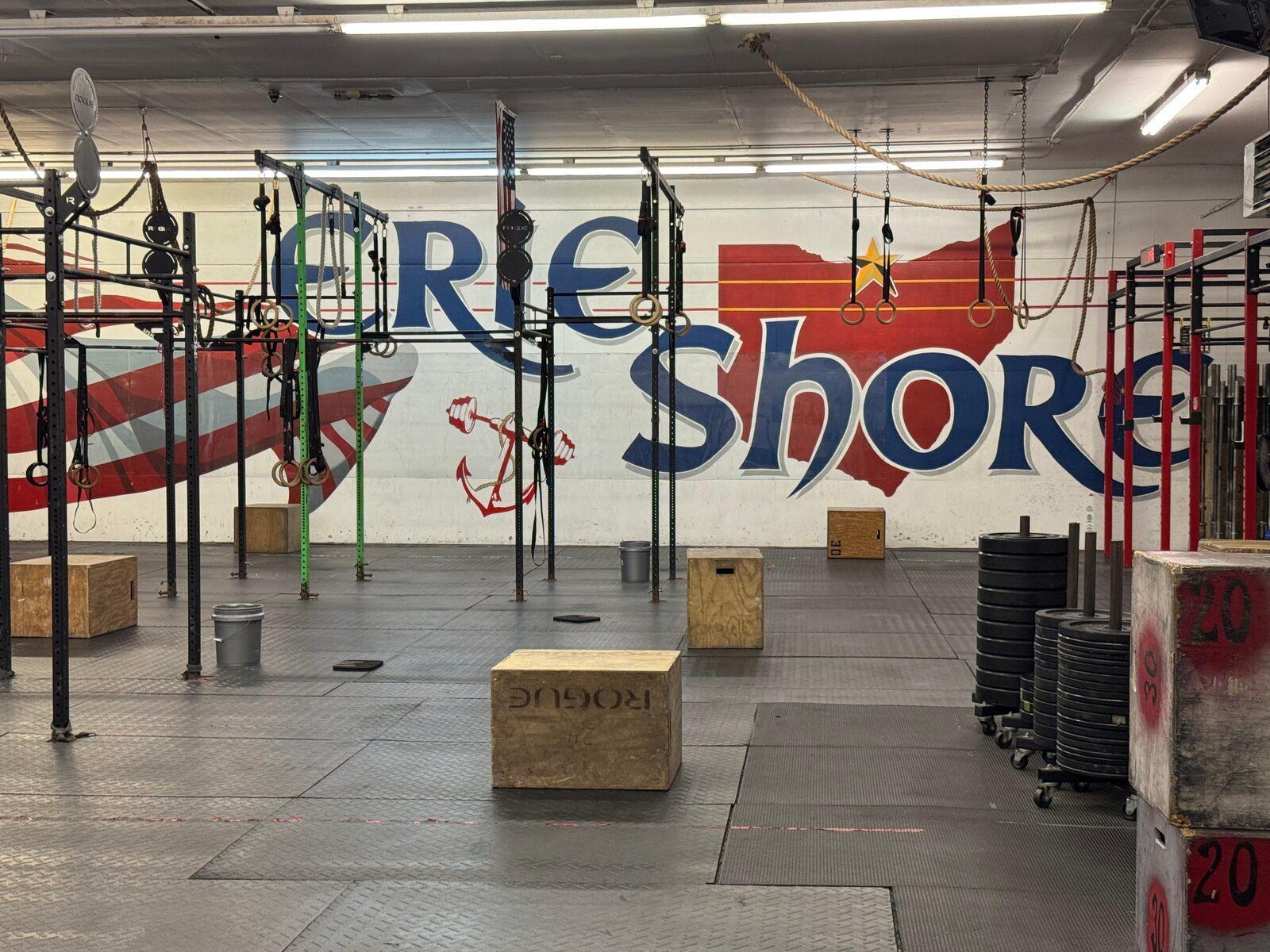
Parents ask me about teen strength training all the time. Their kid plays hockey, soccer, lacrosse or football, or maybe just wants to feel stronger and more confident. The parent wants to know one thing. Is this safe?
Fair question. I spent years in the Navy as a rescue swimmer, and I have owned Erie Shore Athletics since 2020. I have seen what good coaching does for people, and I have seen what rushing does. Here is how I think about starting a teenager in the weight room.
Is Strength Training Safe for Teens?
With good coaching, sensible loading and enough rest, strength training can be a smart part of a teen's routine. Most problems come from the same few places: too much weight too soon, sloppy form, and nobody watching. Fix those three and you remove a lot of the risk.
Every teen is different. Before your athlete starts any new training, check with your family doctor, especially if there is an injury, a medical condition or a growth concern. I am a coach, not a doctor, and that conversation matters.
Start With Movement Before Weight
The first few weeks should look boring on purpose. Your teen should learn to squat, hinge at the hips, push, pull and carry. Body weight, light dumbbells, kettlebells or an empty barbell are plenty for this stage.
A good coach watches every rep. We look for a flat back, steady knees, a tight core and controlled speed. If the form breaks, the weight drops. No ego and no exceptions. Teens often want to load the bar right away because they saw it online. My job is to say, "Show me ten clean reps first."
Learning to move well also gives a teen a better base for sports. A kid who can squat with control and land from a jump safely is set up well for the field, the ice or the court.
Keep the Plan Simple and Steady
Teens do best with a plan they can repeat. Two or three sessions a week is often plenty for a beginner. Each session can cover a squat pattern, a hinge pattern, a push, a pull and some core work. Add a little weight or a few more reps only when the last session felt clean.
Slow progress wins. A teen who trains steady for a year will go further than one who goes hard for three weeks and quits. Consistency is the real goal, and it builds a habit that lasts well past high school.
If your teen plays a sport, tell the coach about the schedule. Practices, games and travel all add up, and the strength plan should fit around them. Winter along Lake Erie is a good time for this. When the lake-effect snow starts to fly, an indoor routine gives athletes a place to build a base while the season rolls on.
Rest, Food and Sleep Matter
Strength gets built between workouts. Teens need sleep, regular meals and water, and they need days off from hard training. Late nights and skipped breakfasts will slow progress faster than any programming mistake.
Our free guides, including the Beginner Fuel Guide, are a simple place to start with everyday eating habits. For anything beyond general habits, especially around weight or restricted eating, talk with a doctor or a registered dietitian.
What to Look For in a Gym for Your Teen
Whatever gym you choose, look for these things:
- Coaches who watch and correct form on every set
- A plan that builds slowly and fits your teen's school and sport schedule
- Respect for rest days
- Honest answers with no hype
If a gym promises fast results or pushes heavy weight in week one, keep looking.
Coached Training for Teens
Erie Shore Athletics is a coach-led gym. We offer group training, semi-private and personal training, nutrition coaching, kids classes and drop-ins, so there is more than one way to get started.
Not sure which option fits your teen? Take a look at our class schedule and our programs, then ask us. We will talk through your athlete's goals, any past injuries and what a safe start looks like.
Ready to Start?
Come see the gym, meet the coaches and bring your questions. Your teen does not need any lifting experience. We will start where they are and build from there.
Coach Terry